Memorial Day is often viewed here in the US as the unofficial start of summer. It’s unfortunate that more Americans do not truly understand the meaning and impact of this holiday. This holiday began as a means of celebrating the lives of those who died in war. We have an entirely separate holiday to honor any individuals who have served in the military.
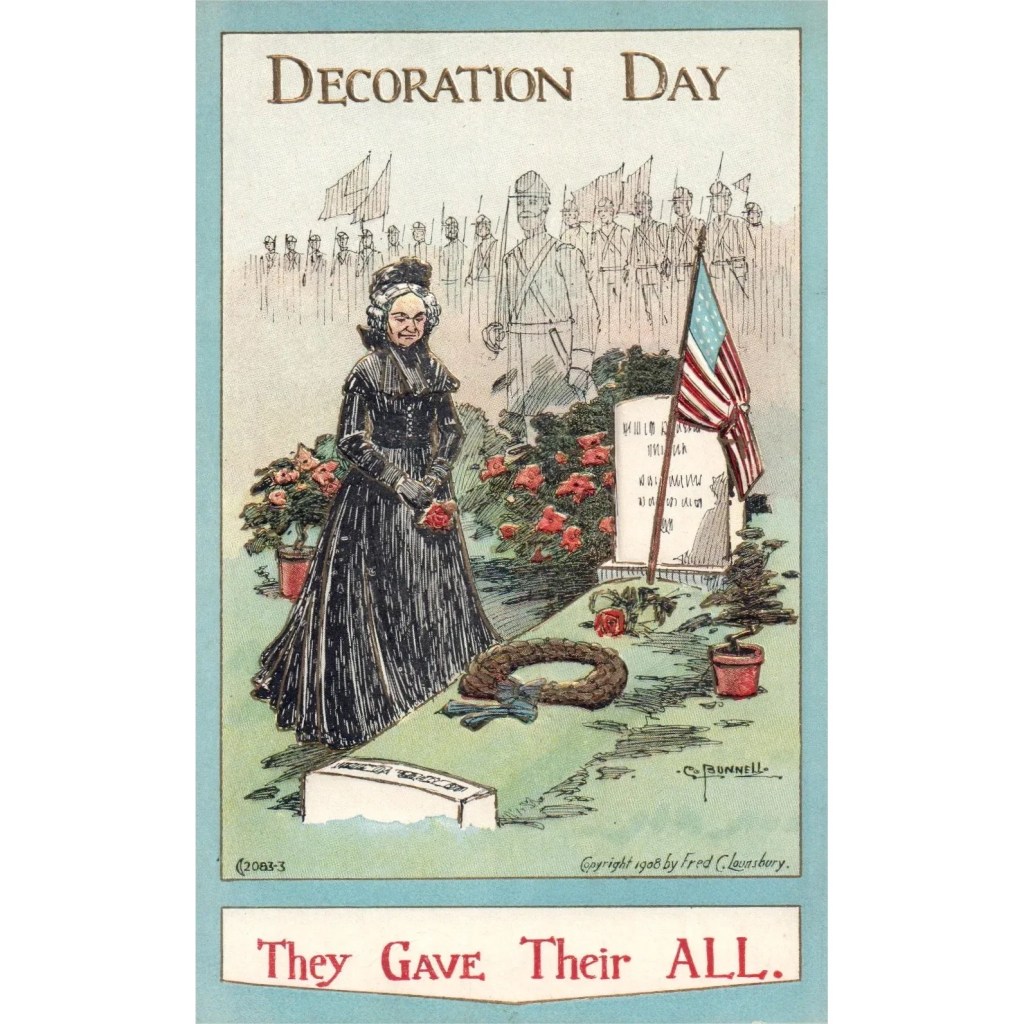
Many Americans have lost sight of the meaning and significance of this holiday. To most it means a cookout, trip to the lake, end of the school year, three-day weekend. Memorial Day began its life as Decoration Day, a day observed by many through visiting cemeteries and decorating the graves of the Civil War dead. Though it was a somber occasion, it was also taken on in a celebratory fashion.
Families and groups would spruce up the areas around the graves and make decorations from flowers. Also a social outing, picnics were prepared and served. Since the rural cemetery movement began in the early part of the 19th century, many burial sites had been moved out of the more populated areas to the outskirts of a town or city. This was done in response land preservation, sanitation, and other concerns.
There is a large and historic rural cemetery not too far from where I live. Several members of my family lie in repose amongst the company of many historic and non-historic individuals. There is even a former US president. It is a beautiful and serene area. Abutting the property of the rural cemetery lies a very large Catholic cemetery, also constructed in response to the rural cemetery movement.
Many other members of my family are spending eternity there, including my brother. Though none of my family members died in war, many of them are veterans of national service. My family numbers Civil War, WWI, WWII, and Korea amongst their service.
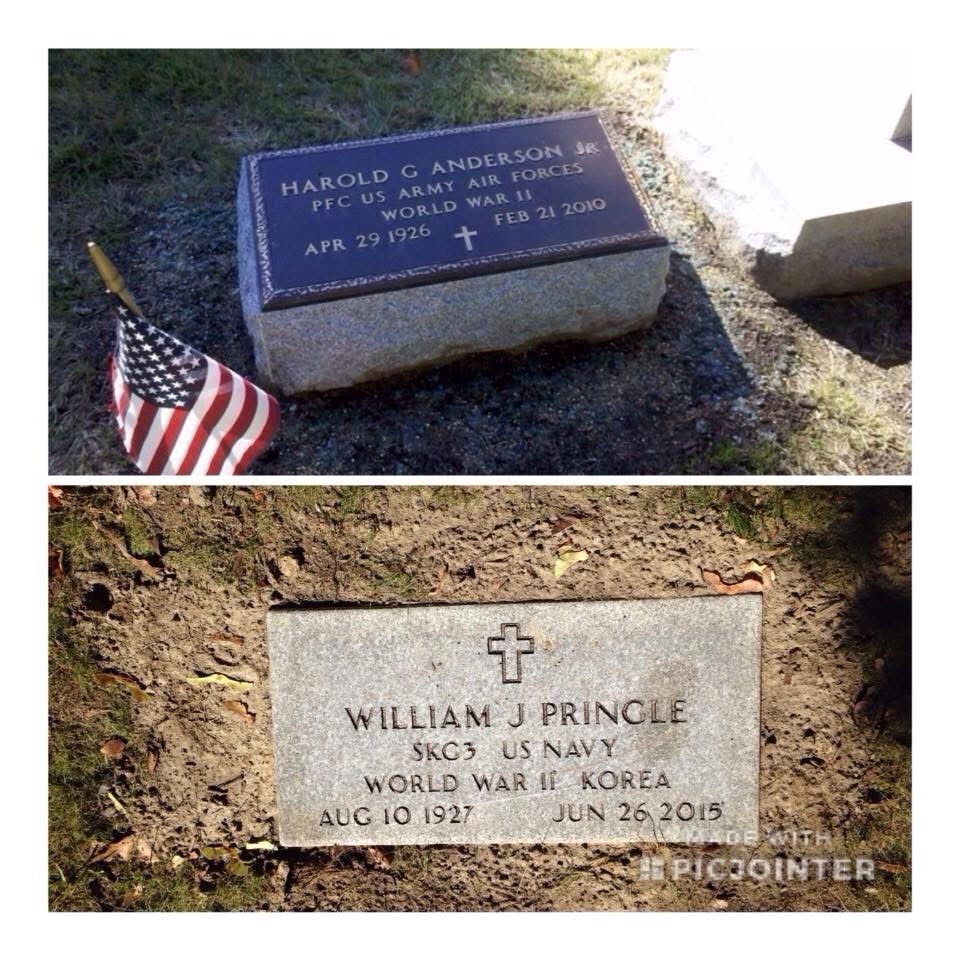
I’m now the caretaker of their memories. For years, my mom and I visited her family’s two plots in the Catholic cemetery. The newer plot, purchased in the late 1930s, is the one we visit most often. I brought 2 folding chairs, a rake, pruning shears, and a picnic lunch. I often included a small flag because my great-uncle Jim’s grave is not marked for his military service (WWI) so he never gets a flag. My uncle Bill has a military marker (WWII, Korea) and thus receives a flag each year.
Those visits are part of the past as my 96 year old mother is not safely able to walk the expanse of uneven ground to reach the plot. I do take her by it in the car so she can have time with her family: mother, father, brother, aunt, uncle, and son. Though almost 100 feet from the car, she can see the main family marker and also see that I’ve tidied the area and put a bouquet of silk flowers in place. We then drive to the adjacent cemetery so I can pay my respects to my father (WWII).
I’m sorry that folks have lost sight of the meaning and tradition of this holiday. It honors those who made the supreme sacrifice of their lives. They are more than deserving of a few minutes of our time. Canadian doctor and soldier John McCrae wrote a haunting poem regarding his experience in WWI. I derive great meaning from it and I feel it speaks to the significance of this holiday.


 Stories Are For Eternity